Popmallow: The Adorable Bubble Font That Can Make or Break Your Design
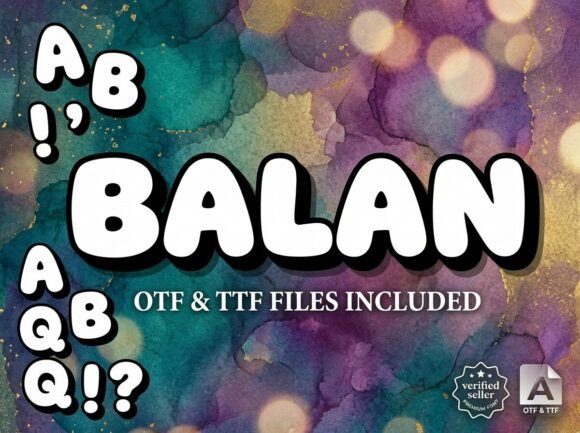
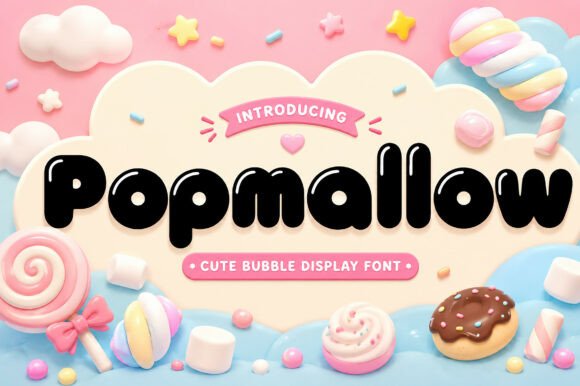
When you first see the Popmallow font, it’s hard not to fall in love. Inspired by marshmallows, candy shops, and pure childhood joy, its chunky, rounded shapes and soft curves radiate a cheerful personality. It’s the kind of typeface that promises to make any project feel instantly more fun and friendly. From kids’ branding and birthday invitations to social media graphics and product packaging, the potential applications seem endless. But here’s the truth many creators learn the hard way: a font this distinctive is a powerful tool, and using it incorrectly can do more harm than good. Before you dive in, let’s talk about how to wield Popmallow effectively and avoid the common pitfalls that can turn a sweet design into a visual mess.
The First Misstep: Mistaking "Fun" for "Unprofessional"
A frequent misunderstanding is that playful, bubble fonts like Popmallow are inherently casual or only for children's projects. This leads creators to either dismiss it for more serious work or, conversely, to use it in contexts where it feels out of place. The reality is more nuanced. Popmallow’s strength is its bold, adorable character, which can be a major asset in branding that needs to convey approachability, creativity, and joy. Think of a bakery’s logo, a boutique’s packaging for handmade goods, or the headline for a community event poster. The mistake isn’t using the font; it’s failing to consider its weight and personality in relation to your overall message.
For instance, pairing Popmallow with a delicate, light-weight script font for body text can create a jarring, unbalanced layout. The thick, rounded letterforms of the display font will visually overwhelm the finer details. A better approach is to combine it with a clean, simple sans-serif. This provides a necessary visual rest and ensures readability, allowing Popmallow to shine as the headline star without competing for attention. It’s about creating a hierarchy where the font’s sweetness enhances, rather than dominates, the design.
Overlooking Legibility in the Name of Style
Here’s a practical warning that can save you from a costly reprint or a frustrated client: never sacrifice legibility for aesthetic appeal. Bubble fonts, by their very nature, have less internal white space in their characters. When set at small sizes, especially in paragraphs, letters can start to blur together. A common error is using Popmallow for extended body copy on a website or in a dense informational flyer. The result is text that is tiring to read and fails in its primary purpose: communication.
The solution is straightforward. Use Popmallow for what it was designed for: display purposes. This means headlines, logos, short subheadings, and single lines of impactful text. For anything longer than a sentence, switch to a highly readable body font. A practical test is to print out your design or view it at the intended size. If you have to squint to decipher a word, the font is being misapplied. Remember, a beautiful word that can’t be read is just a shape.
Ignoring the Full Character Set and Technical Details
Another overlooked detail is the font’s full capabilities. Popmallow comes equipped with uppercase letters, lowercase letters, numbers, punctuation, and multilingual support. It’s also PUA encoded, which means you can easily access all its glyphs in any design software. The mistake here is assuming you only need the basic A-Z. You might be designing an invitation for a child named “Chloé” or need a specific currency symbol for a product price. Not checking for these features upfront can halt your project, forcing a last-minute scramble for a workaround or a different font entirely.
Before starting, take ten minutes to install the font and explore its character map. See how the numbers look. Check the punctuation. This small step ensures you won’t be surprised later and allows you to fully leverage the font’s design. It’s a simple habit that professional designers swear by to maintain project momentum and quality.
The Context Conundrum: Matching the Vibe
Choosing a font is as much about context as it is about taste. Popmallow excels in environments that call for a lighthearted, approachable, and joyful tone. It’s perfect for a child’s birthday party invite, a candy shop’s social media post, or the branding for a line of cute merchandise. However, using it for a corporate financial report, a legal document, or a memorial service program would be a serious mismatch. The font’s personality would clash with the subject matter, creating a dissonant and potentially confusing message for your audience.
A better approach is to define your project’s core emotion first. Is it playful? Nostalgic? Energetic? Then, evaluate if Popmallow aligns with that feeling. When it does, it’s magic. When it doesn’t, it’s best to choose a typeface whose personality supports, rather than contradicts, your content. This thoughtful alignment is what separates amateur work from professional, effective design.
Practical Steps Before You Commit
So, how do you make sure Popmallow is the right choice? Here’s a constructive checklist:
- Test in Context: Don’t just look at it in a font preview. Mock up a headline, a logo, or a card layout. See how it interacts with your color scheme, images, and other text elements.
- Check Licensing: Ensure the font license covers your intended use, whether it’s for personal projects, commercial products, or print-on-demand merchandise. This is a critical, often overlooked, step.
- Plan Your Pairing: Identify a clean, complementary font for body text before you start designing. This creates a cohesive and professional typographic system from the outset.
- Consider Your Audience: Will your target market—be it parents, young adults, or hobbyists—respond positively to this style? A font that resonates with your audience strengthens your message.
In the end, Popmallow is more than just a cute bubble display font; it’s a tool for injecting sweetness and creativity into your work. By understanding its strengths, respecting its limitations, and applying it thoughtfully, you can avoid common mistakes and ensure your designs are not only eye-catching but also effective, professional, and perfectly suited to their purpose. It’s about making an informed choice that brings genuine value to your project, not just a momentary visual appeal.