Vernacular Serif: Unlocking the Full Potential of a Swiss Typographic Masterpiece
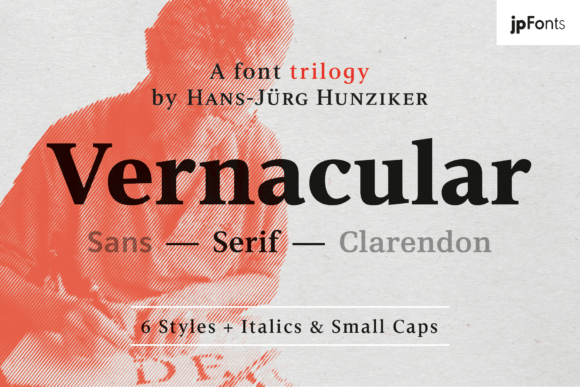
In the crowded landscape of modern typography, few typeface families offer the comprehensive versatility and refined elegance of Vernacular Serif. Part of a larger ecosystem designed by the Swiss master Hans-Jürg Hunziker, this serif family represents the culmination of decades of experience, including his significant tenure working alongside Adrian Frutiger in Paris. While many designers immediately reach for the Sans or Clarendon versions of the Vernacular trilogy for their clean, contemporary look, overlooking the Serif component is a common oversight that can cost a project its depth and readability. If you are a designer, entrepreneur, or creator looking for a typographic solution that balances tradition with modern functionality, understanding the nuances of this typeface is essential.
Understanding the Hunziker Design Philosophy
Before diving into specific applications, it helps to understand the DNA of the font. Hans-Jürg Hunziker did not simply create a set of matching fonts; he developed a concept based on a "transitional Linear Antiqua." This sounds technical, but it essentially means he bridged the gap between traditional book typefaces and modern linear sans-serifs. The result is a "colorful bouquet" of typefaces designed specifically for the demands of book design and corporate identity.
Because of Hunziker’s Swiss schooling, the typefaces possess a noble and sympathetic expression. They avoid the coldness that sometimes plagues geometric sans-serifs, yet they maintain the professionalism required for high-stakes corporate communication. However, the complexity of this system—comprising Sans, Serif, and Clarendon families, each with 12 finely tuned weights—means there are pitfalls for the unprepared.
The Trap of Visual Inconsistency
One of the most frequent mistakes users make is failing to respect the structural differences between the Vernacular Serif and its siblings. A common assumption is that because they belong to the same family, you can swap them out or layer them without attention to detail. However, Hunziker designed these families with distinct structural logic.
The Sans and Clarendon families share a vertical axis and similar endings. In contrast, the Vernacular Serif features a traditional diagonal axis and horizontal endings. If you mix these styles without understanding this geometric tension, your layout can feel disjointed. For example, placing a bold Vernacular Serif heading directly against a tight, vertical Sans subheading can create a visual "wobble" because the stress points of the letters are pulling in different directions.
The Better Approach: Use the shared elements—the straight stems and proportional similarities—to bridge the gap. When mixing the Serif with the Sans or Clarendon, rely on consistent x-heights and spacing rather than just matching font weights. The beauty of the trilogy is that they do work together, but you must allow the Serif to breathe, acknowledging its traditional roots rather than forcing it into a rigid, geometric grid.
Overlooking the Weight Spectrum
Another area where quality suffers is the misuse of font weights. The Vernacular Serif includes 12 weights, ranging from delicate lights to heavy blacks. Beginners often make two distinct errors here:
- The "Safe" Trap: Sticking exclusively to Regular and Bold. This ignores the subtle gradations Hunziker perfected. By ignoring the intermediate weights, your typography lacks hierarchy and sophistication.
- The Contrast Error: Pairing a very light Serif with a very heavy Sans. While contrast is good, the specific tuning of the Vernacular weights is designed to work in harmony. Extreme jumps can make the Serif look fragile and the Sans look brutish.
Practical Advice: If you are building a brand identity, map out your hierarchy using the full spectrum. For body text, the Book or Text weights of Vernacular Serif are optimized for readability, avoiding the fatigue caused by using a display weight for long-form reading. For headlines, explore the Medium or Demi weights before jumping straight to Black; they often provide the necessary impact without sacrificing the "noble" character of the typeface.
The "Italics Are Just Slanted Letters" Misconception
In many modern fonts, italics are simply oblique versions of the upright characters. This is not the case with Vernacular Serif. Hunziker provided separately drawn italics for all styles. This is a critical detail for anyone serious about typography.
If you apply a software-generated "faux italic" to this font, you will distort the carefully crafted diagonal axis and the specific ending strokes that define the Serif’s character. This cheapens the design and disrupts the reading flow, particularly in book design where italic usage is frequent for emphasis or citations.
The Solution: Always ensure your software is utilizing the actual italic font files. When evaluating the font, check how the italic "a" or "f" renders. You should see distinct calligraphic traits, not just a slanted version of the Roman style. This attention to detail separates amateur typography from professional work.
Evaluating for Corporate vs. Editorial Use
Because the Vernacular trilogy covers the "entire spectrum" of needs, people sometimes assume the Serif is interchangeable with the Sans for corporate logos. While Vernacular Serif is excellent for corporate identity—adding a touch of humanity and trust—it serves a different function than the Sans.
If your brand is tech-forward and disruptive, the Serif might feel too traditional. Conversely, if your brand is rooted in heritage, craftsmanship, or publishing, the Serif is the superior choice over the Sans. A common mistake is choosing the Serif simply because it looks "fancy" without testing its legibility at small sizes on digital screens.
Before You Decide:
- Test Screen Rendering: While designed for book design, check how the lighter weights hold up on low-resolution mobile screens. You may need to bump up the weight slightly for digital body copy.
- Check Figures: The prompt notes that these fonts contain tabular and proportional figures. This is vital for financial reports or data-heavy infographics. Ensure you are activating the correct figure style; using proportional figures in a spreadsheet column is a classic error that makes data hard to read.
- Assess the "Sympathy": Does the font feel too cold or too warm for your specific audience? The "sympathetic expression" Hunziker aimed for makes it ideal for educational materials and consumer-facing blogs, but it might lack the aggressive edge needed for some sports branding.
Conclusion: Embracing the System
The Vernacular Serif is not just a font; it is a component of a sophisticated design system. The biggest mistake you can make is treating it as an isolated tool. By understanding its relationship to the Sans and Clarendon families, respecting the separately drawn italics, and utilizing the full range of 12 weights, you can elevate your work from standard to exceptional.
Whether you are a freelancer designing a book cover or a small business owner defining a visual identity, take the time to explore the specific character of this typeface. Avoid the shortcuts of faux-styles and rigid grid thinking. Instead, lean into the Swiss precision and noble expression that Hans-Jürg Hunziker intended. When used correctly, Vernacular Serif provides a timeless foundation that communicates competence and elegance simultaneously.