Amelia Harper: A Font Duo Blending Elegance and Style
Understanding the Amelia Harper Font Duo
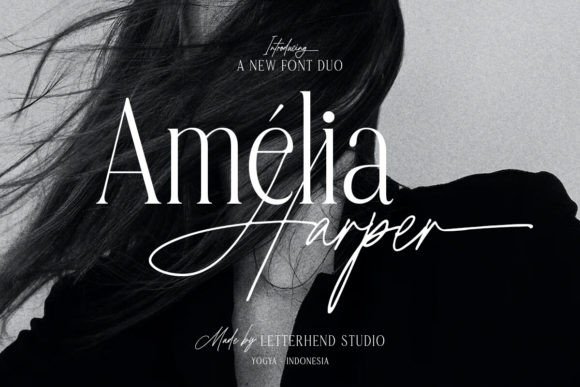
Finding the perfect typeface can often feel like a compromise between two distinct worlds. You might have a sleek, professional serif that looks authoritative but feels a bit cold, or a flowing script that offers personality but lacks structure. This is where the Amelia Harper font duo enters the conversation. It is a carefully curated pairing that combines the structured beauty of a classic serif with the fluid, organic charm of a handwritten script.
Unlike a single font file that tries to do everything, this duo is designed to work in perfect harmony. The serif component provides the foundation—it is readable, timeless, and elegant. The script component adds a layer of warmth and creativity. When used together, they create a visual balance that feels both professional and approachable. Whether you are a seasoned graphic designer or a small business owner trying to create your own marketing materials, understanding how this pairing works can save you hours of design time.
The Core Characteristics of the Design
The magic of Amelia Harper lies in its attention to detail. The serif portion of the font draws inspiration from traditional typography, featuring clean lines and distinct "feet" on the letters. This gives it a classic, trustworthy look suitable for body text or headlines. However, it avoids feeling outdated by maintaining a modern spacing and weight that feels fresh on screen and in print.
On the other side of the duo is the handwritten script. This is not a chaotic, messy scrawl; rather, it is a refined, contemporary script. It mimics the natural flow of a pen but with enough legibility to be used in headers or accent text. The contrast between the rigid structure of the serif and the free-flowing nature of the script is what makes Amelia Harper so visually interesting. It creates a dynamic tension that captures the viewer's attention without overwhelming them.
Practical Applications for Creators and Businesses
You might be wondering exactly where a font duo like this fits into your workflow. The versatility of Amelia Harper is one of its strongest assets, making it suitable for a wide range of projects. Here are some practical ways it can be utilized:
- Wedding Invitations and Stationery: This is perhaps the most natural fit. The script can be used for the names of the couple to add a romantic, personal touch, while the serif font handles the event details, dates, and locations with clarity.
- Branding and Logo Design: For businesses that want to appear approachable yet professional—such as boutique shops, photography studios, or wellness brands—this duo creates a sophisticated logo. The serif establishes credibility, while the script adds a creative flair.
- Social Media Graphics: In the fast-paced world of Instagram or Pinterest, you need graphics that pop. Using the script for a catchy headline and the serif for the caption or body text creates a hierarchy that is easy for followers to scan.
- Editorial Layouts: If you are designing a magazine spread or a blog header, mixing these two styles adds depth to the page layout. It breaks up the monotony of using a single font family throughout.
Why Font Pairing Matters for Your Projects
For many beginners, typography can be an afterthought. However, the fonts you choose communicate just as much as the words themselves. A mismatched font pairing can make a design look chaotic or unprofessional, even if the rest of the layout is perfect. Conversely, a well-crafted duo like Amelia Harper does the heavy lifting for you.
By choosing a pre-designed pair, you eliminate the guesswork. You don't need to spend hours testing different serifs against different scripts to see if their x-heights and styles match. The designers behind Amelia Harper have already ensured that the two styles share a common aesthetic DNA. This allows you to focus on your content rather than getting bogged down in technical typography decisions.
Key Considerations Before You Start
While Amelia Harper offers great versatility, there are a few practical things to keep in mind to ensure you get the best results. First, consider the context of your text. While the script is beautiful, it is generally best used for short bursts of text, like headers or call-outs. If you try to write a full paragraph in a script font, it becomes tiring to read. Always use the serif component for longer blocks of text to maintain accessibility and readability.
Second, think about the medium. If you are designing for very small sizes, such as fine print on a business card, ensure that the details of the serif font remain legible. Conversely, if you are creating a large-scale banner, the flowing lines of the script will scale up beautifully, showing off the brush-like details.
Finally, ensure that you have the correct licensing for your intended use. If you are using Amelia Harper for a personal project like a birthday card, a personal license usually suffices. However, if you are using it for a client's logo or a product for sale, you will likely need to secure a commercial license to protect yourself legally.
Elevating Your Creative Vision
Ultimately, the goal of any design tool is to help you realize your vision more effectively. Amelia Harper serves as a bridge between traditional elegance and modern creativity. It allows you to create designs that feel curated and intentional. Whether you are launching a new business, designing a wedding suite for a friend, or simply experimenting with graphic design as a hobby, this font duo provides a reliable and stylish foundation.
By understanding the strengths of both the serif and script components, you can apply them to various scenarios with confidence. It is a testament to how thoughtful typography can transform a simple layout into something memorable. If you are looking to add a touch of sophistication and warmth to your next project, exploring the possibilities within the Amelia Harper collection is a great place to start.