Organic Gardenia: A Guide to Using This Authentic Script Font
Capturing the Soul of Handwriting in Your Design
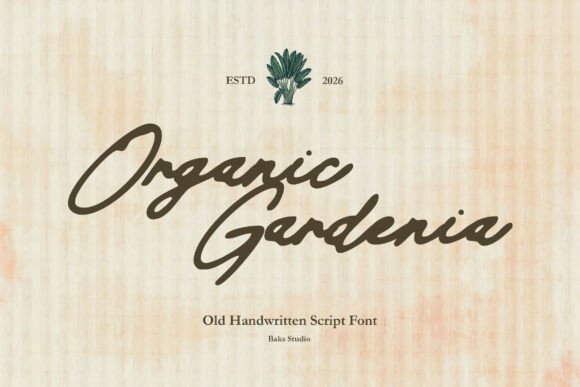
In a digital landscape saturated with crisp, sterile vector lines, there is a growing hunger for authenticity. This is where Organic Gardenia enters the conversation. It is not merely a typeface; it is an Old Handwritten Script Font designed to capture the tactile, imperfect beauty of ink on paper. For designers, marketers, and creators who shun the hyper-polished digital aesthetic, this font offers a bridge to something more human. It radiates an earthy, botanical charm that feels both established and deeply personal, mimicking the hand of a master gardener or a boutique apothecary owner.
Inspired by vintage field journals and artisanal garden labels, the font features a natural, rhythmic flow. Its slightly weathered edges and organic loops provide a texture that digital perfection cannot replicate. However, while the aesthetic appeal of Organic Gardenia is undeniable, applying it effectively requires a nuanced understanding of typographic principles. Many creators fall into the trap of using script fonts incorrectly, leading to designs that are illegible, cluttered, or emotionally mismatched. To truly harness the charm of this font, you must navigate the common pitfalls of handwritten typography.
The Legibility Trap: Avoiding the "Wall of Text" Mistake
The most frequent error designers make with a font like Organic Gardenia is treating it like a body text typeface. Because it mimics natural handwriting, beginners often assume it will be comfortable to read in long paragraphs. This is a critical misunderstanding of typographic hierarchy. Script fonts, particularly those with authentic, flowing strokes, are designed for impact and brevity, not for extended reading.
When you force Organic Gardenia into a block of text, you create visual fatigue for the reader. The eye struggles to distinguish individual letters when the "bouncing" baseline and varied strokes of a script font repeat for sentences on end. The result is a user experience that feels chaotic rather than charming. The solution is discipline. Use this font for display purposes only. Reserve it for headlines, sub-headers, pull quotes, or single-word accents. For the body copy, pair it with a clean, highly legible sans-serif or serif font. This contrast not only improves readability but also highlights the unique character of Organic Gardenia by giving it space to breathe.
Emotional Mismatch: Ensuring the Tone Fits the Message
A common oversight in branding is selecting a font based solely on visual preference without considering emotional resonance. Organic Gardenia carries specific connotations: sustainability, nature, vintage nostalgia, and artisanal quality. While this is perfect for an organic skincare line, a farm-to-table restaurant, or a sustainable fashion brand, it can send confusing signals if used incorrectly.
Imagine a cybersecurity firm or a high-frequency trading platform using Organic Gardenia for their website headers. The font’s earthy, relaxed vibe contradicts the need for precision, speed, and authority that those industries require. The result is a disconnect that erodes trust. Before downloading or purchasing, you must evaluate your brand’s core values. Does your business prioritize handcrafted quality and organic processes? If yes, this font is a premier choice. If your brand relies on sharp, futuristic, or aggressive aesthetics, Organic Gardenia will likely feel out of place, regardless of how beautiful the letterforms are.
Technical Oversights: Spacing and Alignment
One of the subtle complexities of Organic Gardenia is its natural rhythm. Unlike geometric fonts that sit perfectly on a grid, this script font mimics the uneven nature of human writing. A frequent mistake is applying standard, uniform letter-spacing (tracking) to the text. Digital tools often default to even spacing, which can make a script font look disjointed or "broken."
When the letters of a handwritten font are spaced too far apart, the fluid connection between them is severed, destroying the illusion of continuous ink flow. Conversely, if they are too tight, the organic loops and swashes will collide, creating a visual mess. The better approach is to manually adjust the kerning, specifically where capital letters meet lowercase letters. You may need to bring the second letter closer to the first to maintain the natural connection of the script. Additionally, be mindful of alignment. Left-aligned text is usually safest, but because script fonts have a slanted baseline, fully justified text can create awkward rivers of white space. Stick to ragged-right alignment to preserve the organic, handmade feel.
Color and Texture: Beyond Black on White
Another missed opportunity when using Organic Gardenia is relying on flat, digital black or stark white. The font is designed to look like ink on paper; therefore, it thrives when paired with texture and earthy color palettes. Using a harsh, neon green or a bright, synthetic blue can clash with the font’s vintage field journal inspiration.
To avoid a cheap or generic look, consider the medium. If you are designing for print, textured paper stocks (like cotton or linen) will elevate the font’s authenticity. For digital projects, consider using a very subtle noise texture in the background or pairing the font with warm, muted tones—think sage greens, deep terracottas, or creamy off-whites. This approach reinforces the "botanical charm" mentioned in the font's description and ensures that the typography feels integrated into the design rather than pasted on top of it.
Practical Checklist for Implementation
Before you finalize your design using Organic Gardenia, take a moment to review your application. This font is a powerful tool for the right project, but it requires careful handling to avoid looking amateurish.
- Check the Scale: Ensure the font is large enough to be legible. Script fonts lose their definition when scaled down too small, turning into a jagged blur.
- Verify the License: Always confirm the usage rights. Whether you are using it for a commercial logo or a personal blog, understanding the licensing ensures you are using the asset legally and ethically.
- Test the Pairing: Does your body text support the script? A high-contrast pairing (e.g., a geometric sans-serif) usually works best to let Organic Gardenia shine as the star.
- Contextual Alternates: Check if the font includes alternate characters or swashes. Using these features sparingly can add variety and prevent repetitive loops, making the text look even more authentically handwritten.
Ultimately, Organic Gardenia is a celebration of the imperfect. It is for the creator who values the story behind the strokes. By avoiding the pitfalls of overuse, mismatched tone, and poor technical spacing, you can transform this font from a simple download into a cornerstone of your brand’s visual identity. Use it to tell a story of authenticity, and let the digital perfection of the modern world fade into the background.