Brotherhood: The Script Font That Dances with Personality
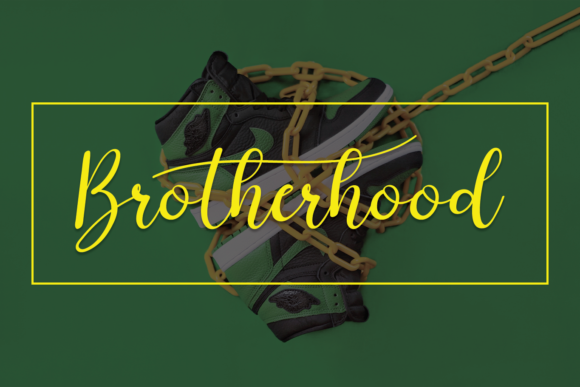
In a world saturated with digital noise, the right typeface can be the whisper that makes someone stop scrolling. It’s more than just letters on a screen; it’s the voice of your brand, the mood of your message, and the first impression of your idea. Enter Brotherhood, a script font that doesn’t just sit on the baseline—it performs. This well-balanced typeface features charming, playful characters that seem to dance, offering a unique blend of approachability and sophistication that is increasingly rare in modern design.
Understanding typography is no longer just for graphic designers. For entrepreneurs crafting a brand identity, marketers building a campaign, or bloggers creating engaging content, font choice is a critical, yet often overlooked, strategic decision. The evolution of digital design has moved past the rigid, sterile aesthetics of early web design. Today, user expectations demand personality and authenticity. This shift is a direct response to our collective desire for more human, less corporate interactions, even in the digital space. A font like Brotherhood answers this call, providing a touch of warmth and character that can transform a simple message into a memorable experience.
The Psychology of the Script: Why a Dancing Font Works
The effectiveness of a script font like Brotherhood is rooted in basic psychology. Our brains are wired to respond to shapes that mimic human movement and handwriting. The fluid, connected strokes of a script typeface evoke a sense of personal touch, creativity, and elegance. Unlike the static nature of many sans-serif fonts, a script with dynamic rhythm feels alive and engaging. Brotherhood’s particular charm lies in its balance; it is playful without being childish, and sophisticated without feeling cold or exclusive. This makes it a versatile tool for a wide range of applications, from a wedding invitation to a tech startup’s social media graphic.
This relevance is amplified by current trends in content creation and branding. As audiences grow weary of overly polished, impersonal marketing, there is a clear market preference for brands that showcase their human side. User-generated content, behind-the-scenes glimpses, and authentic storytelling are now cornerstones of effective communication. A font like Brotherhood serves as a visual cue for this authenticity. Its dance-like quality suggests movement, energy, and a forward-thinking yet grounded approach—qualities that resonate deeply with modern consumers and creators alike.
Practical Applications: Where Brotherhood Shines
The true value of any design asset is in its application. Brotherhood is not a font for long-form body text, but rather a strategic accent designed to make key elements stand out. Its practical implications are vast, offering tangible benefits to various professionals and hobbyists.
For marketers and business owners, consider using Brotherhood for:
- Logo and Brand Marks: A logotype set in Brotherhood can give a brand an immediate sense of personality and friendliness, perfect for lifestyle brands, boutique shops, or creative agencies.
- Website Headers and Call-to-Action Buttons: A catchy headline or a button with text like "Get Started" or "Learn More" in this font can draw the eye and increase user engagement.
- Social Media Graphics: Quote graphics, announcements, and promotional banners come to life with a script font that cuts through the visual clutter of a social feed.
Bloggers, educators, and content creators can leverage its charm to:
- Highlight Key Takeaways: Use Brotherhood for subheadings or to emphasize a crucial point within an article, guiding the reader’s attention effectively.
- Design Engaging Presentation Slides: Move away from default fonts and use Brotherhood for slide titles to create a more dynamic and memorable presentation for your audience or students.
- Create Unique Digital Products: For those selling planners, worksheets, or e-books, incorporating Brotherhood into the design adds a layer of perceived value and aesthetic appeal.
Integrating a Playful Font into Modern Workflows
Adopting a new font like Brotherhood into your creative toolkit is a practical step towards elevating your visual communication. The key is to use it with intention. Overuse can diminish its impact, while strategic application can make your ideas truly stand out. A common modern workflow involves pairing a distinctive script font with a clean, readable sans-serif for body text. This creates a visual hierarchy that is both beautiful and functional. For instance, pairing Brotherhood with a font like Montserrat or Lato provides a pleasing contrast that ensures readability while allowing the personality of the script to shine.
The evolution of design software and web platforms has made implementing custom fonts easier than ever. Whether you are using Canva, Adobe Creative Suite, or a website builder like Squarespace, integrating a font file is a straightforward process. This accessibility means that the power to create unique, professional-looking designs is no longer confined to those with extensive technical training. It empowers freelancers, small business owners, and hobbyists to produce work that competes on a visual level with larger entities.
The Future of Visual Voice
As we look forward, the need for digital experiences to feel more human will only intensify. Technology continues to advance, but our fundamental attraction to warmth, personality, and authentic expression remains constant. Fonts are a primary vehicle for this visual voice. Choosing a typeface is choosing a tone for your conversation with the world.
Brotherhood, with its charming and playful characters, is more than just a script font. It is a tool for connection. It’s a way to infuse your most creative ideas with movement and personality, ensuring they don’t just communicate, but resonate. By adding it to your design arsenal, you are not just selecting a style; you are embracing a more engaging and human approach to how you present your ideas to the world. Notice the difference it makes when your message doesn’t just sit there, but dances off the page.