Evaluating Winter Chapters: A Handwritten Font for Festive Design Projects
When the season shifts towards frost and festivities, the visual language of design often needs to adapt to convey warmth and nostalgia. In the crowded marketplace of typography, selecting the right font for holiday campaigns requires balancing aesthetic appeal with functional versatility. Winter Chapters is a specific entry in the handwritten font category, designed to bridge the gap between casual script and festive elegance. This evaluation explores the characteristics of this typeface, comparing its utility against other typographic options to help you determine if it aligns with your design requirements.
Visual Characteristics and Aesthetic Appeal
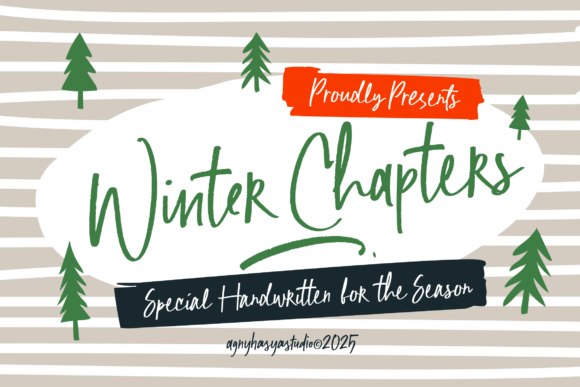
The primary distinction of Winter Chapters lies in its attempt to replicate the organic imperfections of handwriting while maintaining a polished, festive look. Unlike rigid sans-serifs or overly formal serifs, this font utilizes warm strokes and a natural flow. This design philosophy aims to evoke a sense of authenticity, which is often crucial for emotional connection in seasonal marketing.
For designers evaluating aesthetic options, it is important to note the "personality" of the letterforms. Winter Chapters leans towards a joyful and inviting vibe rather than a rustic or distressed one. This makes it particularly suitable for projects where the goal is to appear welcoming and heartfelt. For instance, a luxury brand aiming for a sophisticated, minimalist Christmas aesthetic might find this font too casual, whereas a family-oriented brand or a local bakery might find it fits their narrative perfectly.
Technical Capabilities and OpenType Features
Beyond the basic letter shapes, the utility of a digital font is often defined by its technical features. Winter Chapters includes several OpenType features that offer creative flexibility, which is a significant factor when comparing it to more basic script fonts.
- Special Ligatures: These allow specific letter pairs to connect in a more natural, calligraphic way, reducing the repetitive look that can plague digital handwriting fonts.
- Stylistic Alternates: This feature provides different versions of specific characters. If you are designing a headline where multiple instances of the letter "e" or "t" appear, alternates help break visual monotony.
- Swashes: These are decorative extensions to the beginning or end of letters. In the context of winter designs, swashes can add a snow-like flair or a flowing movement to display text.
When evaluating font resources, the availability of these features is a key decision factor. A font without alternates may require manual editing in vector software to achieve a natural look, whereas Winter Chapters attempts to automate this natural variation through its coding.
File Formats and Implementation
Compatibility is a practical concern that should not be overlooked. Winter Chapters is provided in OTF, TTF, WOFF, and WOFF2 formats. This comprehensive file inclusion ensures that the font can be deployed across various environments.
- Desktop Use (OTF/TTF): These formats are necessary for installation on operating systems for use in software like Adobe Photoshop, Illustrator, or Canva desktop applications.
- Web Use (WOFF/WOFF2): For developers and web designers, these formats are essential. WOFF2, in particular, offers better compression, which is beneficial for site loading speeds—a critical SEO factor.
If your workflow involves both print materials (like packaging) and digital assets (like social media headers), having this full suite of formats is standard but necessary. Some niche fonts may only provide TTF files, limiting their web utility, so this inclusion is a positive trade-off for the user.
Contextual Fit: When to Choose Winter Chapters
Determining the "best" font is subjective and entirely dependent on the context of the project. Winter Chapters is likely the right choice in specific scenarios where warmth and approachability are the primary communication goals.
Ideal Use Cases:
- Greeting Cards and Invitations: The handwritten nature mimics a personal touch, making digital invitations feel more intimate.
- Social Media Quotes: For short, impactful text overlays on winter photography, the font’s readability and style can drive engagement.
- Product Packaging: Particularly for artisanal goods, baked items, or handmade crafts, this font reinforces the idea of human involvement in the product creation.
- Seasonal Promotions: A "Winter Sale" headline using this font can soften the commercial nature of the promotion, making it feel more like an invitation than a demand.
Tradeoffs and Limitations
No typeface is without limitations, and an honest evaluation must consider where Winter Chapters may fall short. The primary trade-off with decorative handwritten fonts is long-form readability.
While Winter Chapters works well for headers and display text, it is generally not recommended for body copy or paragraphs of information. The elaborate swashes and varying baseline typical of handwritten styles can cause eye strain during extended reading. If your project requires a significant amount of text—such as a detailed menu or a newsletter—you would need to pair this font with a highly legible sans-serif or serif font for the body text.
Additionally, because this font is designed with a specific seasonal theme, its utility is limited outside of the autumn and winter months. It may not be versatile enough for a year-round corporate identity, serving better as a seasonal asset rather than a permanent brand typeface.
Comparing Approaches to Festive Typography
When sourcing fonts for winter projects, designers typically choose between three broad categories. Understanding where Winter Chapters sits within this spectrum helps in making an informed choice.
1. Traditional Serifs: These evoke a classic, Victorian Christmas feel. They are often more formal and legible than scripts but lack the casual, "handmade" warmth of Winter Chapters.
2. Geometric Sans-Serifs: Modern and clean, these are often used for minimalist holiday designs. They offer excellent readability but can feel cold or impersonal compared to the organic strokes of a handwritten font.
3. Handwritten Scripts (Winter Chapters): This category prioritizes emotion and personality. The trade-off is often a more complex design process, as the user must carefully manage spacing and flow to ensure the text looks intentional rather than chaotic.
Decision Factors for the Researcher
If you are comparing Winter Chapters against other resources, consider the following factors to guide your decision:
- The Mood of the Brand: Does the brand voice speak like a friend or a corporation? Winter Chapters speaks like a friend.
- The Medium: Is the design primarily for large signage or small mobile screens? Handwritten fonts can lose detail on very small screens; testing the font at your target size is recommended.
- The Competition: If your competitors are using stark, modern typography, using a font like Winter Chapters could be a differentiating strategy that makes your brand appear more human and accessible.
Ultimately, the decision to use Winter Chapters should be based on whether the project requires a typographic voice that is expressive and seasonally evocative. By utilizing its stylistic alternates and swashes effectively, designers can create standout display text that captures the essence of the cold season without sacrificing professional quality. It offers a specific solution for a specific mood, and when applied in the right context, it serves as a valuable asset in a designer's toolkit.