The Art of Digital Thread: Bringing Handcrafted Warmth to Modern Design with Embroidery
In a world increasingly dominated by sharp geometric lines, sans-serif minimalism, and the cold precision of vector graphics, there is a profound human longing for texture. We miss the tangible imperfections of the physical world—the slight wobble of a hand-drawn letter, the tactile warmth of woven thread, and the intimate feel of a handwritten note. This is precisely where the Embroidery font steps in, acting as a bridge between the digital efficiency of modern design and the nostalgic comfort of traditional craftsmanship. It is not merely a typeface; it is a digital tapestry that weaves personality and whimsy into every character.
Understanding the Essence of Embroidery
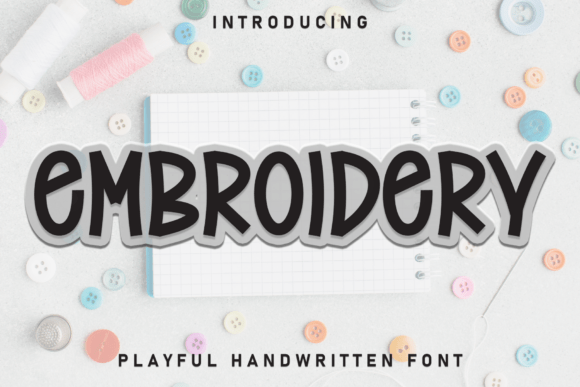
At its core, the Embroidery font is a handwritten display typeface that radiates a distinct sense of positivity and warmth. Unlike standard body text fonts designed for long-form reading, display fonts are the showstoppers. They are designed to be seen, to be felt, and to set a mood immediately. Embroidery specifically mimics the visual aesthetic of stitching—perhaps evoking the look of backstitch or satin stitch—combined with the fluidity of a whimsical, hand-lettered script.
The defining characteristic of this font is its ability to radiate friendliness. When a user looks at text rendered in Embroidery, they do not see a sterile instruction; they see an invitation. The curves are soft, the connections between letters are natural, and the overall "voice" of the typography is lighthearted. It is the typographic equivalent of a warm smile or a handwritten postcard from a friend. For designers, this means that Embroidery can instantly soften a brand’s image, making it appear more accessible, human, and trustworthy.
The Anatomy of Charm: Key Features and Characteristics
What makes Embroidery stand out in a sea of thousands of script fonts? It lies in the delicate balance between structure and playfulness.
- Organic Flow: The letters in the Embroidery typeface are rarely uniform. They dance slightly along the baseline, mimicking the natural irregularities of human handwriting. This prevents the text from looking robotic or typeset.
- Sweetness Factor: There is a distinct "sweetness" to the font. It avoids the overly formal loops of traditional calligraphy or the aggressive slant of graffiti scripts. It sits in a happy middle ground—perfect for content that needs to feel nurturing or joyful.
- Visual Texture: Even on a flat screen, Embroidery suggests texture. It hints at the physical act of creation, adding depth to a design without requiring complex layering or 3D effects.
However, it is important to recognize that as a display font, Embroidery is an accent, not a foundation. It is the decorative stitch on the pillow, not the fabric of the pillow itself. Its value lies in its ability to draw the eye and convey emotion at a glance.
Practical Applications: Where to Use the Font
The utility of Embroidery spans a wide variety of creative industries. Because it is imbued with friendliness, it is particularly effective in scenarios where establishing an emotional connection with the audience is paramount.
1. Wedding Stationery and Event Invitations
This is perhaps the most natural habitat for Embroidery. Wedding invitations set the tone for the entire event. If a couple is planning a rustic, bohemian, garden, or whimsical wedding, this font is a perfect match. It conveys the romance and personal touch of a handcrafted invitation. It can be used for the names of the couple, the header of the menu, or the signage for the reception, adding a dash of lighthearted fun to the formalities of the event.
2. Greeting Cards and Stationery
In the stationery market, standing out is everything. Embroidery is perfectly suited for crafting delightful birthday cards, thank you notes, and holiday greetings. Its playful touch ensures that the card feels personal and bespoke, rather than mass-produced. The font brings creative visions to life, making a simple piece of paper feel like a gift in itself.
3. Branding for Artisanal Businesses
For business owners in the handmade sector—such as bakeries, florists, craft supply shops, or children’s boutiques—branding is about storytelling. Using Embroidery in a logo or marketing materials signals to customers that the business values craftsmanship and care. It suggests that products are made with love, helping to build a loyal customer base that values quality over quantity.
4. Digital Content and Social Media
In the fast-paced scroll of social media, a post needs to stop the thumb. Text overlays on Instagram stories, Pinterest pins, or YouTube thumbnails often benefit from a handwritten style. Embroidery works exceptionally well for "Quote of the Day" graphics, sale announcements, or lifestyle blog headers, providing a burst of personality that standard system fonts cannot offer.
Real-World Scenarios and Usage
To truly understand the impact of Embroidery, let us look at how different creators might implement it.
Scenario A: The Etsy Seller
Imagine a creator selling custom embroidered patches or tote bags. They need a shop banner and product mockups. By using Embroidery for their shop name and tagline ("Stitched with Love"), they create a cohesive visual identity. The font style reinforces the product type, creating an instant visual shorthand for the customer. The font isn't just text; it is a representation of the product's texture.
Scenario B: The Non-Profit Campaign
A local community center is launching a "Kindness Matters" campaign. They need flyers that feel approachable, not corporate. Using Embroidery for the headline allows the message to feel like a friendly suggestion from a neighbor rather than a mandate from an institution. It softens the message and makes the community feel more inclined to participate.
Scenario C: The Personal Blogger
A food blogger sharing grandmother’s recipes wants to evoke nostalgia. When they overlay the word "Nostalgia" or "Comfort Food" over a photo of a stew using the Embroidery font, they are visually communicating the warmth of a home-cooked meal. It adds that "secret ingredient" of emotional resonance to the visual presentation.
Evaluating Suitability: Strengths and Considerations
While Embroidery is a powerful tool for infusing joy, it must be wielded with an understanding of its limitations. Like any specialized tool, it has specific environments where it shines and others where it may falter.
The Strengths
- Emotional Connection: Its primary strength is its ability to bypass the analytical brain and speak directly to the emotional center. It feels human.
- Versatility in Theme: Despite being a "whimsical" font, it is surprisingly versatile across themes ranging from vintage to modern farmhouse.
- Visual Hierarchy: Because it is a display font, it creates an excellent contrast when paired with a simple, clean sans-serif font for body text.
The Considerations and Limitations
- Readability at Scale: Embroidery is not designed for long paragraphs. Using it for a full blog post or a legal disclaimer would result in eye strain and poor readability. It is best reserved for headlines, sub-headers, and short callouts.
- Context Mismatch: While perfect for a wedding invite, Embroidery would be inappropriate for a corporate law firm’s annual report or a medical warning label. Its playful nature could undermine the seriousness required for certain topics.
- Resolution Dependence: Handwritten fonts with fine details can sometimes lose clarity at very small sizes or low resolutions. It is important to ensure the font size is large enough to capture the charm of the letterforms.
Guidance for Selection and Pairing
For professionals and creators evaluating whether to incorporate Embroidery into their toolkit, the decision should be based on the "feeling" they wish to evoke.
Ask yourself these questions:
- Does my project require a human touch?
- Is my audience looking for comfort, joy, or whimsy?
- Am I using this for headlines or body copy?
If the answer to the first two is yes, and you intend to use it for display purposes, Embroidery is an excellent choice.
Pairing Strategies
To maximize the effectiveness of Embroidery, pair it with a font that provides stability. A clean geometric sans-serif (like Montserrat or Lato) or a classic serif (like Merriweather) works beautifully. The contrast between the structured body text and the playful Embroidery headers creates a balanced, professional layout that still feels warm.
Conclusion: More Than Just a Font
In the realm of digital design, tools are often judged by their technical specifications—kerning, weight, and file size. However, the true value of a typeface like Embroidery lies in its intangible qualities. It is more than just a collection of vector paths; it is the key to infusing joy into your designs.
Whether you are a small business owner trying to show your customers that there is a real person behind the screen, or a designer creating a wedding invitation that will become a treasured keepsake, Embroidery offers a solution. It reminds us that design is not just about information transfer; it is about connection. By embracing the whimsical, handwritten nature of Embroidery, we allow our digital creations to breathe with the warmth and positivity of the human hand.