Whimsy Wiggle: Capturing Retro Charm in Modern Design
The Anatomy of Whimsy Wiggle
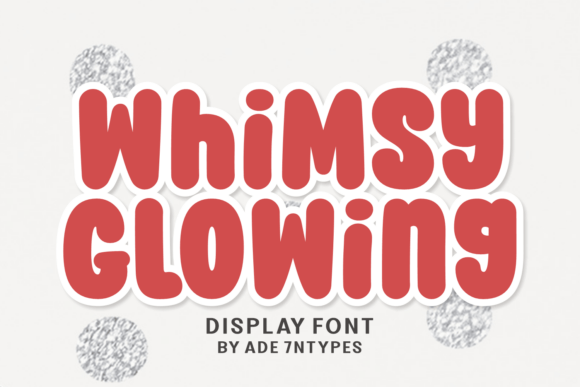
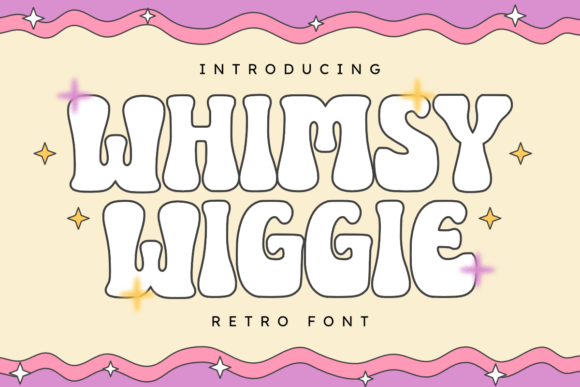
In the world of typography, few styles evoke a specific era as instantly as Whimsy Wiggle. This playful display font is defined by its wavy edges and fluid letterforms, capturing the essence of vintage 1970s aesthetics. It is not merely a font; it is a stylistic statement that immediately communicates fun, nostalgia, and creativity. For designers and creators, understanding the anatomy of Whimsy Wiggle is the first step toward leveraging its unique potential. Unlike rigid sans-serifs or formal serifs, this typeface introduces movement into static text, making it an ideal choice for projects that need to stand out with personality rather than just authority.
The defining characteristic of Whimsy Wiggle is its refusal to stay in a straight line. The undulating baselines and rounded, soft edges mimic the hand-lettering styles popular in psychedelic art and retro branding. This creates a tactile quality, as if the letters were crafted from bubblegum or shaped out of clay. When you use Whimsy Wiggle, you are signaling to your audience that the content is approachable and lighthearted. It bridges the gap between retro nostalgia and modern digital design, offering a refreshing break from the minimalist geometric fonts that have dominated the web for the last decade.
Strategic Applications for Creators and Marketers
For entrepreneurs and marketers, the utility of a font like Whimsy Wiggle lies in its ability to capture attention immediately. Because it is a display typeface, it is best used for headlines, logos, and short bursts of text where impact is more important than long-form readability. Consider the context of a music festival poster. In a sea of information, Whimsy Wiggle can make the event name pop, instantly conveying the vibe of the festival—whether it’s indie folk, funk, or synth-wave. The font does the heavy lifting of setting the mood before the viewer even reads the supporting details.
Small business owners, particularly those in the lifestyle, fashion, or food sectors, can use this font to inject personality into their branding. Imagine a local bakery or an ice cream parlor using Whimsy Wiggle for their menu headers or packaging stickers. It suggests that the product inside is fun and crafted with care. However, it is crucial to balance this whimsy with structure. If you are designing a retro-themed advertisement, pair Whimsy Wiggle with a clean, legible sans-serif for the body copy. This ensures that the creative flair of the headline enhances the message without sacrificing clarity for the sale or the call to action.
Contextualizing the Retro Aesthetic
The 1970s were characterized by a break from rigid corporate modernism, embracing organic shapes and expressive typography. Whimsy Wiggle taps into this historical context, but modern application requires nuance. You do not need to create a full retro design to use a retro font. In fact, some of the most effective uses of Whimsy Wiggle happen when it is contrasted against modern, flat design elements. For example, placing a wavy, vintage-style header over a minimalist, high-resolution photograph of a modern product creates an intriguing visual tension. It suggests that a brand is rooted in tradition but looking toward the future.
Educators and content creators can also find practical value in this style. When creating materials for children, workshops, or creative brainstorming sessions, the playful nature of Whimsy Wiggle can lower the barrier to engagement. It makes learning materials or presentation slides feel less intimidating and more inviting. However, context is king. Using this font for a serious financial report or a legal disclaimer would undermine credibility. The whimsical feel must match the subject matter; otherwise, the design risks looking disjointed or unprofessional.
Technical Execution and Hierarchy
One of the most common mistakes with expressive fonts is overuse. To keep your designs organized and audience-friendly, treat Whimsy Wiggle as a spice rather than the main ingredient. It works best in uppercase for maximum impact, or in lowercase for a softer, friendlier vibe. When establishing a typographic hierarchy, use Whimsy Wiggle for your H1 or H2 headers to grab attention. Then, switch to a neutral font for the rest of the content. This creates a clear visual path for the reader, guiding them from the creative hook to the practical information.
Color theory also plays a significant role in how this font is perceived. Because the font has a vintage vibe, pairing it with muted, earthy tones or pastel palettes can enhance its retro appeal. Conversely, using high-contrast neons can push it into a more modern, pop-art direction. Consistency is key here. If you choose a 70s-inspired palette, commit to it across the entire project. This cohesive approach ensures that the typography feels like an integral part of the design rather than an afterthought.
Adapting Whimsy Wiggle for Digital Platforms
In the digital realm, particularly on social media, standing out is difficult. Whimsy Wiggle is highly effective for Instagram stories, YouTube thumbnails, and website hero sections where a split-second impression matters. The wavy edges of the letters create a distinct silhouette that is recognizable even at smaller sizes, provided the background is uncluttered. For freelancers and bloggers, using this font in your personal branding can help establish a memorable identity that separates you from the corporate look of larger competitors.
However, accessibility must remain a priority. Because of the irregular shapes and edges, Whimsy Wiggle can be challenging to read for users with visual impairments or dyslexia if used in long sentences. To ensure your content is inclusive, always check the contrast ratio between the text and the background. Avoid placing the text over busy, high-contrast images without a semi-transparent overlay or a solid backing. The goal is to be creative, not confusing. By respecting the limits of legibility, you ensure that the "whimsy" enhances the user experience rather than hindering it.
Inspiring Project Ideas
If you are looking for specific ways to implement this typeface, consider these practical applications:
- Event Invitations: Design birthday party or wedding invitations that feel personal and celebratory rather than stiff and formal.
- Merchandise: Create t-shirt graphics or tote bags that appeal to a vintage-loving demographic.
- Album Art: Use the font to evoke specific music eras for indie bands or podcast cover art.
- Seasonal Campaigns: Apply it to summer sales or holiday promotions to create a festive, high-energy atmosphere.
Ultimately, Whimsy Wiggle is a tool for expression. It allows designers, marketers, and creators to step outside the box of standard corporate communication and connect with their audience on an emotional level. Whether you are designing for a local community event or a global brand campaign, the key is to use this font with intention. Understand the history it represents, pair it with complementary elements, and let it do what it does best: bring a smile to your viewer's face.