Kurenia: A Detailed Guide to Its Elegant Style and Practical Application
When selecting a typeface for a project that demands a personal, artistic touch, the choice often comes down to balancing aesthetic appeal with functional reliability. Among the vast library of script fonts available today, Kurenia has emerged as a notable option for designers seeking a specific blend of elegance and femininity. However, like any specialized tool, it is not a universal solution for every design challenge. This article explores the distinct characteristics of Kurenia, evaluates its practical strengths and limitations, and helps you determine if it aligns with your specific creative or professional needs.
Defining the Kurenia Aesthetic: More Than Just Cursive
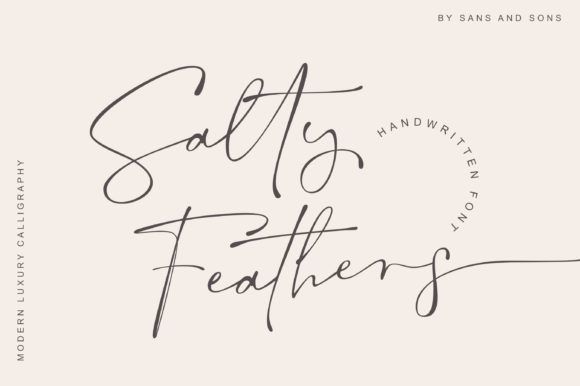
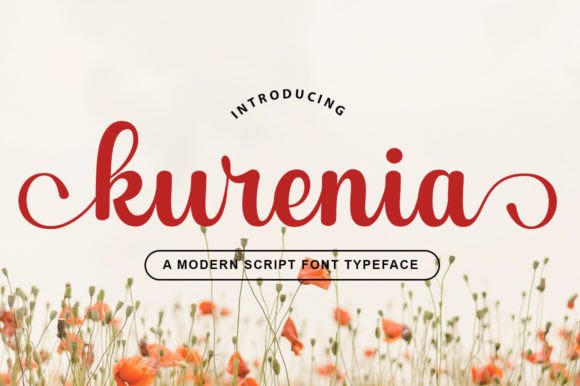
At its core, Kurenia is a script font defined by its flowing, calligraphic style. It distinguishes itself from standard cursive or handwriting fonts through a deliberate emphasis on fluid connections and variable stroke thicknesses. The letterforms are designed to mimic the natural pressure variations of a skilled hand using a broad-tipped pen or brush, creating a rhythm that feels organic rather than rigidly mechanical. This results in a text that appears delicate and artistic, making it particularly suitable for contexts where emotion and sophistication are paramount.
The visual identity of Kurenia is further enhanced by its inclusion of stylistic alternates, ornamental swashes, and ligatures. These are not merely decorative additions; they are integral to the font's functionality. For instance, certain letter combinations may have special connecting strokes that prevent awkward gaps, while swashing capitals can add a dramatic flair to headlines. This level of detail allows for a high degree of customization within the typeface itself, enabling designers to create unique typographic compositions without resorting to manual vector editing.
Practical Strengths: Where Kurenia Excels
The primary strength of Kurenia lies in its ability to convey a sense of luxury, romance, and personalized craftsmanship. It is an excellent fit for projects where the typography needs to evoke an emotional response. Common and effective use cases include:
- Wedding Stationery and Event Invitations: The font's inherent grace makes it a natural choice for save-the-dates, invitations, and thank-you cards, where a formal yet personal tone is required.
- Brand Identity for Boutique Businesses: For businesses in the beauty, fashion, jewelry, or artisanal goods sectors, Kurenia can help establish a brand voice that is sophisticated and customer-centric.
- Editorial and Packaging Design: It can be used effectively for mastheads, pull quotes, or product labels to add a touch of elegance without overwhelming the core information.
- Decorative Typography Art: Its detailed letterforms work well for standalone typographic pieces, inspirational quotes, or social media graphics where the text itself is the focal point.
A significant practical advantage is its PUA Unicode encoding. This technical feature ensures that all the extra characters—swashes, alternates, and ornaments—are accessible directly through standard operating system utilities. On a Mac, users can find them via Font Book; on Windows, Character Map provides access. This removes a major barrier for designers who do not have advanced design software, making Kurenia remarkably accessible for creating polished results.
Evaluating Tradeoffs and Limitations
Understanding when not to use a font is as important as knowing its strengths. Kurenia's greatest asset—its intricate, flowing style—can become a liability in certain contexts. Its design prioritizes visual beauty over utilitarian function, which leads to several important tradeoffs:
- Readability at Small Sizes: The fine details and connected strokes that define Kurenia can become muddled and difficult to read when used for body text or in small point sizes, such as on mobile screens or in dense paragraphs.
- Legibility in Low-Contrast Environments: The variable thickness of the strokes means that light-colored Kurenia text on a light background, or dark text on a dark background, will lose definition quickly.
- Contextual Inappropriateness: The strongly feminine and decorative nature of the font can feel out of place in projects requiring a neutral, corporate, or highly technical tone. Using it for a law firm's website or a scientific report would likely undermine credibility.
- Technical Overhead: While PUA encoding solves access issues, working with stylistic alternates and swashes requires a deliberate design process. It is not a "set it and forget it" font for body copy; it demands attention to spacing, line height, and contextual flow to look its best.
Kurenia vs. Other Script Font Categories
When comparing Kurenia to other options in the script font family, it helps to understand the broader categories. Script fonts generally fall into a spectrum from formal to casual.
- Formal Scripts: These are based on 17th and 18th-century calligraphic hands. They are often more restrained and traditional than Kurenia, with less dramatic swashing. They might be a better fit for ultra-formal invitations or classical branding.
- Casual Scripts: These mimic a more relaxed, handwritten style. They are typically more legible at smaller sizes and feel more approachable and modern. A project needing a friendly, personal touch without high formality might benefit from a casual script instead.
- Modern Calligraphy Scripts: This is the category where Kurenia most comfortably sits. It embraces the flowing, contemporary calligraphy style popular in recent years, balancing artistic flair with digital precision. Its closest alternatives would be other fonts in this niche, where differences often come down to specific swash designs, the degree of slant, or the consistency of the baseline.
The decision between Kurenia and a similar modern calligraphy script often hinges on minute details. Does one font have a particular lowercase 'g' or 'y' that better suits your aesthetic? Does its set of ligatures include the specific character combinations you need? Evaluating these nuances requires testing the font with your actual content.
Making the Decision: Is Kurenia the Right Fit?
Choosing Kurenia should be a conscious decision based on a clear understanding of your project's goals and audience. It is likely the right choice if:
- Your primary objective is to create a visually stunning and emotionally resonant typographic element.
- The final output will be viewed at a medium to large size, such as on a printed invitation, a poster, or a website header.
- Your brand or project identity aligns with values of beauty, femininity, elegance, and artistry.
- You have the capacity to thoughtfully implement its stylistic features, adjusting letter spacing and selecting appropriate alternates.
Conversely, you may need to explore other options if your project requires maximum legibility across all devices and sizes, a gender-neutral or corporate tone, or if you need a font that can function as a workhorse for long-form text. In those cases, a clean sans-serif, a readable serif, or a more subdued script would be more appropriate.
Ultimately, Kurenia is a specialized tool in a designer's toolkit. It excels in its niche, offering a beautiful, accessible, and highly customizable way to add a signature touch of elegance. By weighing its distinctive style against the practical demands of your project, you can make an informed choice that enhances your design rather than complicating it. Testing it with your specific headlines and key phrases remains the best way to gauge its true impact and suitability.